How to Avoid Common Mistakes on Your Small Business Tax Returns


Understanding the Basics of Small Business Tax Returns
Filing taxes for your small business can be a daunting task, especially if you're new to the process. Understanding the basics is crucial to avoid common mistakes that could cost you time and money. It's important to know your business structure, whether it's a sole proprietorship, partnership, or corporation, as each has different tax obligations.

Organizing Your Financial Records
One of the most common mistakes small business owners make is poor record-keeping. Ensure that all financial documents, such as receipts, invoices, and bank statements, are organized and accessible. This will make the filing process smoother and help you avoid errors.
Consider using accounting software to keep track of your income and expenses. This software can automate many tasks and provide accurate reports, which are invaluable during tax season.
Understanding Deductions and Credits
Many small businesses miss out on valuable deductions and credits simply because they aren't aware of them. Familiarize yourself with the deductions available to your business type, such as home office expenses, travel, and equipment purchases. Additionally, stay informed about any credits that could apply to your business, like energy efficiency incentives.

Common Filing Errors to Avoid
Errors in tax returns can lead to audits or penalties. One common mistake is incorrect math calculations. Double-check all figures and consider using tax software or hiring a professional to ensure accuracy.
Another frequent error is missing deadlines. Make sure to know the due dates for your federal and state tax returns to avoid late fees. Setting reminders can help you stay on track.
Managing Payroll Taxes
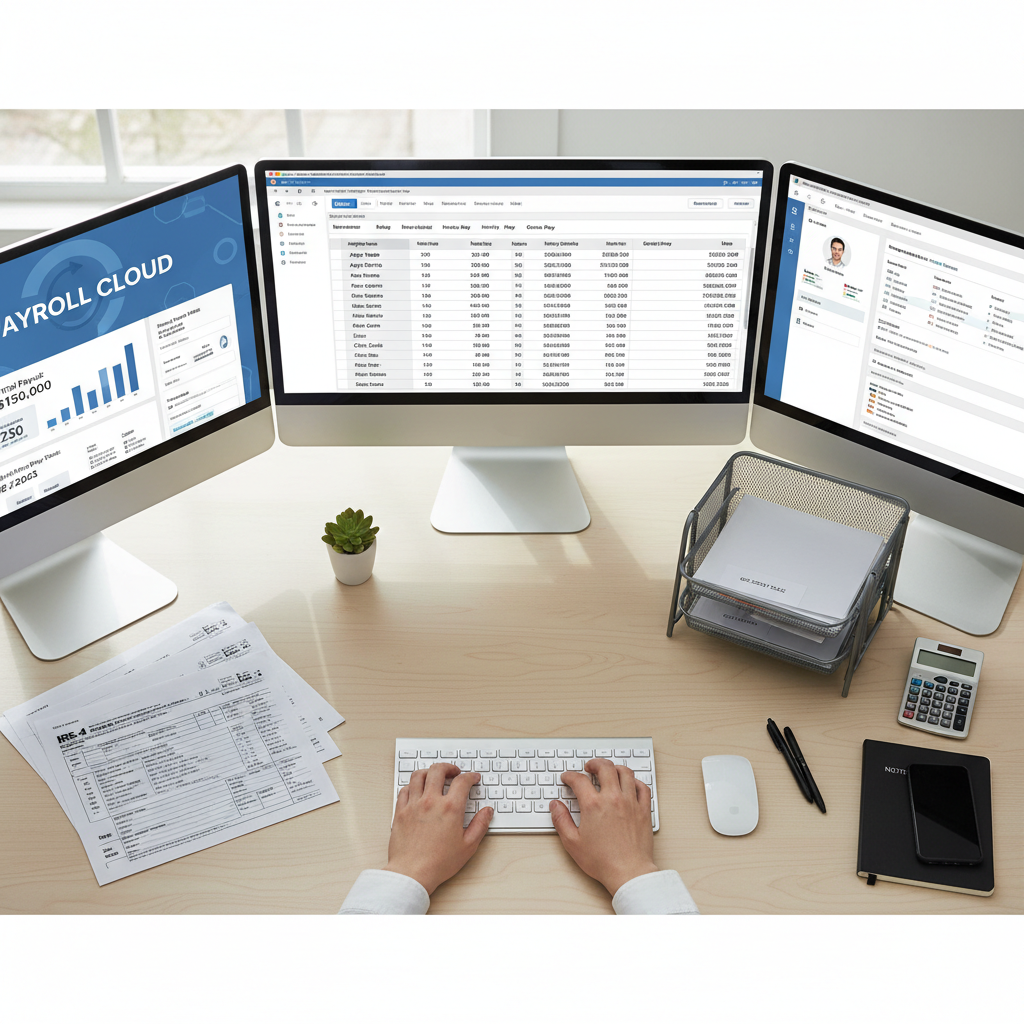
If your business has employees, managing payroll taxes is another critical area. Mistakes in payroll can lead to significant issues. Ensure you are withholding the correct amount of taxes and submitting them on time. It might be beneficial to consult a payroll service or tax professional to manage this aspect efficiently.
Staying Updated with Tax Laws
Tax laws change frequently, and staying updated is essential for accurate filing. Subscribe to newsletters from reputable tax agencies or consult with a tax professional to ensure you’re aware of any changes that might affect your business.
Regularly reviewing tax regulations will help you make informed decisions and maximize your deductions and credits.
Seeking Professional Help
If the tax filing process feels overwhelming, consider seeking professional help. Hiring an accountant or tax consultant can help you navigate complex tax situations and keep your business compliant with all tax obligations.

By understanding common mistakes and implementing strategies to avoid them, you can streamline your tax filing process and focus more on growing your business. Investing time in organizing your records and staying informed about tax laws will pay off in the long run.