Maximize Your Refund: Expert Tips from TAXMANIV


Understanding Your Tax Bracket
Maximizing your tax refund starts with understanding your current tax bracket. Knowing where you fall can help you make strategic decisions throughout the year. Most people aren’t aware that even minor changes in income can push them into a higher tax bracket, impacting their refund. Stay informed about bracket thresholds to plan effectively.
By reviewing your tax bracket annually, you can identify potential savings opportunities. Consider strategies like contributing to retirement accounts or making charitable donations to lower your taxable income. These actions not only benefit your financial future but also potentially increase your refund.

Optimize Deductions and Credits
Deductions and credits are powerful tools to boost your refund. The key is knowing which ones apply to you. Common deductions include mortgage interest, student loan interest, and medical expenses. Credits, such as the Earned Income Tax Credit (EITC), can provide a substantial refund increase if you qualify.
Keep track of all possible deductions and credits throughout the year. Maintaining organized records makes it easier to claim everything you're entitled to, ensuring no money is left on the table. Don’t hesitate to consult with a tax professional if you're unsure about the deductions and credits you qualify for.

Leverage Retirement Contributions
Contributing to a retirement account is not just a smart move for your future; it also offers immediate tax benefits. Contributions to traditional IRAs or 401(k)s can reduce your taxable income, potentially increasing your refund. The IRS sets annual contribution limits, so be sure to maximize your contributions each year.
Additionally, consider utilizing a Roth IRA if you qualify. While contributions to a Roth IRA don’t reduce your taxable income, the potential for tax-free growth and withdrawals can be a significant benefit in the long run. Balancing between traditional and Roth accounts can optimize your tax situation both now and in retirement.

Stay Informed on Tax Law Changes
Tax laws are continually evolving, and staying updated on changes can directly affect your refund. New legislation can introduce or eliminate deductions and credits, impacting your tax strategy. Subscribe to tax newsletters or follow reliable financial news sources to remain informed.
Changes in tax law can also mean new opportunities for savings. By understanding these changes, you can adjust your financial planning to take advantage of new benefits. If you’re uncertain about how new laws affect you, a consultation with a tax advisor can provide clarity and direction.
Organize Your Financial Records
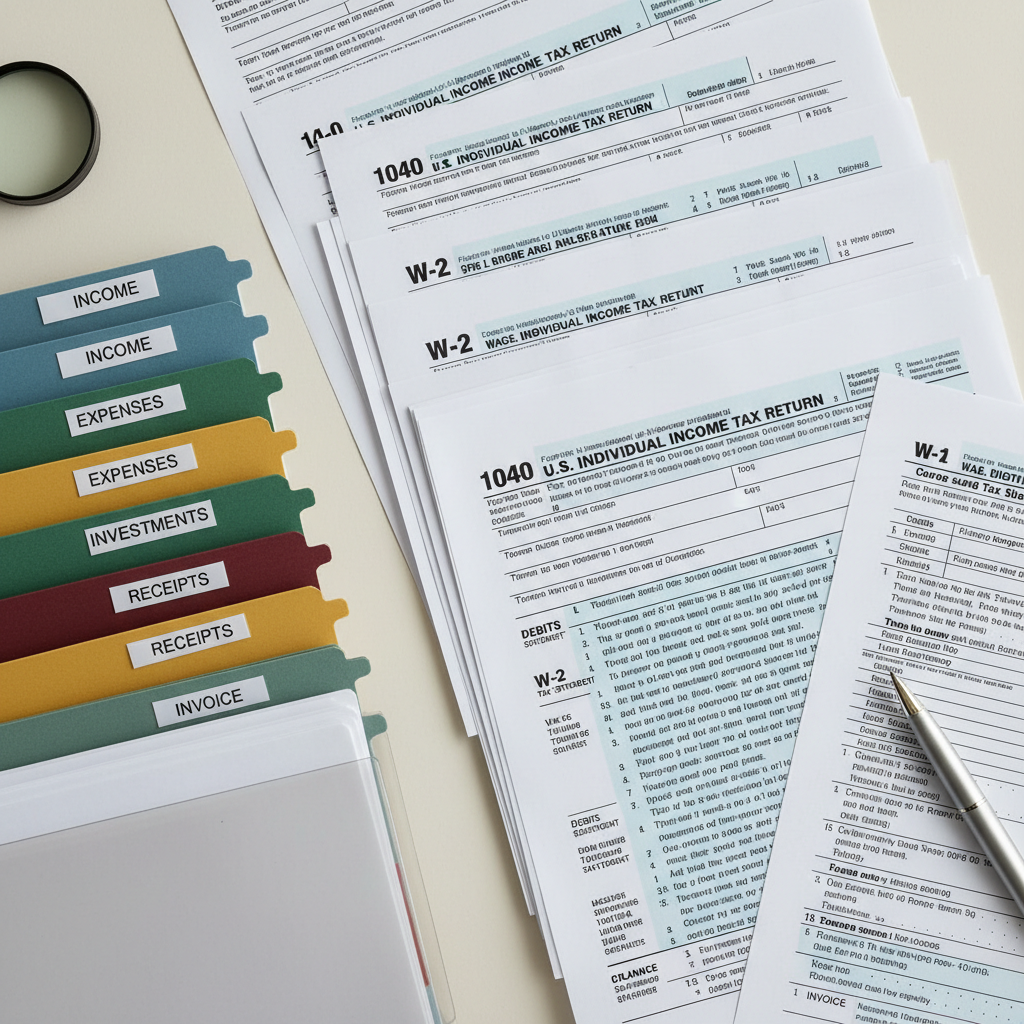
Having organized financial records is crucial for an accurate tax return and maximizing your refund. Keep track of all income sources, receipts for deductible expenses, and records of charitable donations. An organized approach reduces the likelihood of errors and the risk of an audit.
Consider using digital tools or apps to manage your financial records. These platforms can streamline the process, making it easier to access and review your information come tax time. Being meticulous with your records not only aids in maximizing your refund but also provides peace of mind.