Tax Season Checklist for Small Businesses in El Centro


Understanding Tax Obligations
As tax season approaches, small businesses in El Centro need to be well-prepared to meet their obligations. Understanding local, state, and federal tax requirements is crucial. In El Centro, businesses must comply with California state taxes, which can include income, sales, and employment taxes.
It's essential to keep accurate records throughout the year to ensure a smooth tax filing process. This involves maintaining detailed accounts of all transactions, receipts, and invoices. Consider using accounting software to streamline this process and reduce potential errors.
Gather Necessary Documentation
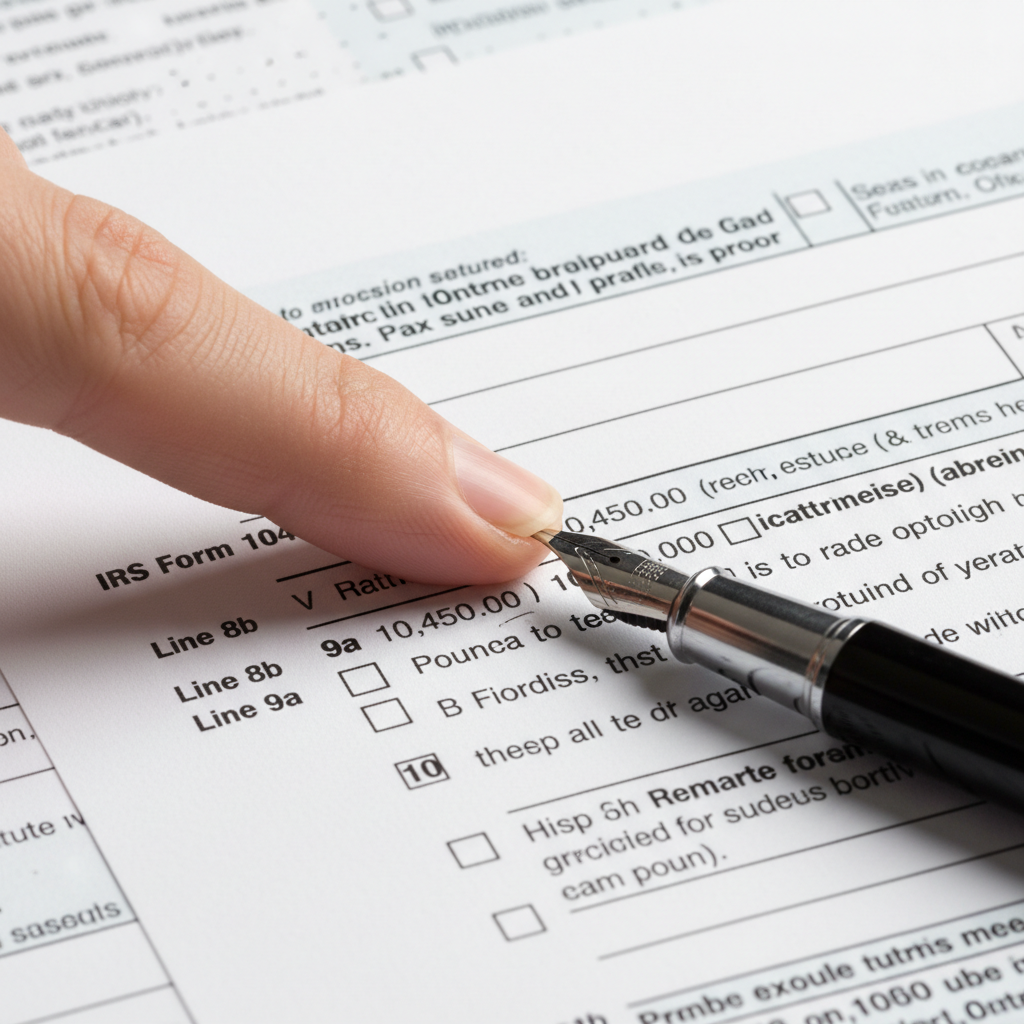
Before filing your taxes, gather all necessary documentation. This includes income statements, expense receipts, and any other financial records. Ensure you have access to previous years' tax returns, as they can offer useful insights and help verify current information.
Don't forget to collect W-2 and 1099 forms for any employees or independent contractors. These documents are crucial for accurately reporting wages paid during the fiscal year.
Organize Financial Statements
Organizing your financial statements is a key step in preparing for tax season. Balance sheets, profit and loss statements, and cash flow statements should be reviewed and updated regularly. These documents provide a clear picture of your business’s financial health and are essential for accurate tax reporting.

Utilize Tax Deductions
Take advantage of potential tax deductions to reduce your taxable income. Common deductions for small businesses include office supplies, travel expenses, and marketing costs. Be sure to keep receipts and document all deductions thoroughly to avoid issues with tax authorities.
Consider consulting with a tax professional to identify additional deductions specific to your industry. They can provide valuable insights and ensure you're maximizing your savings.
Review Tax Credits
In addition to deductions, explore available tax credits. These can provide significant savings and often apply to activities such as research and development, energy efficiency improvements, and hiring practices.
Plan for Estimated Taxes
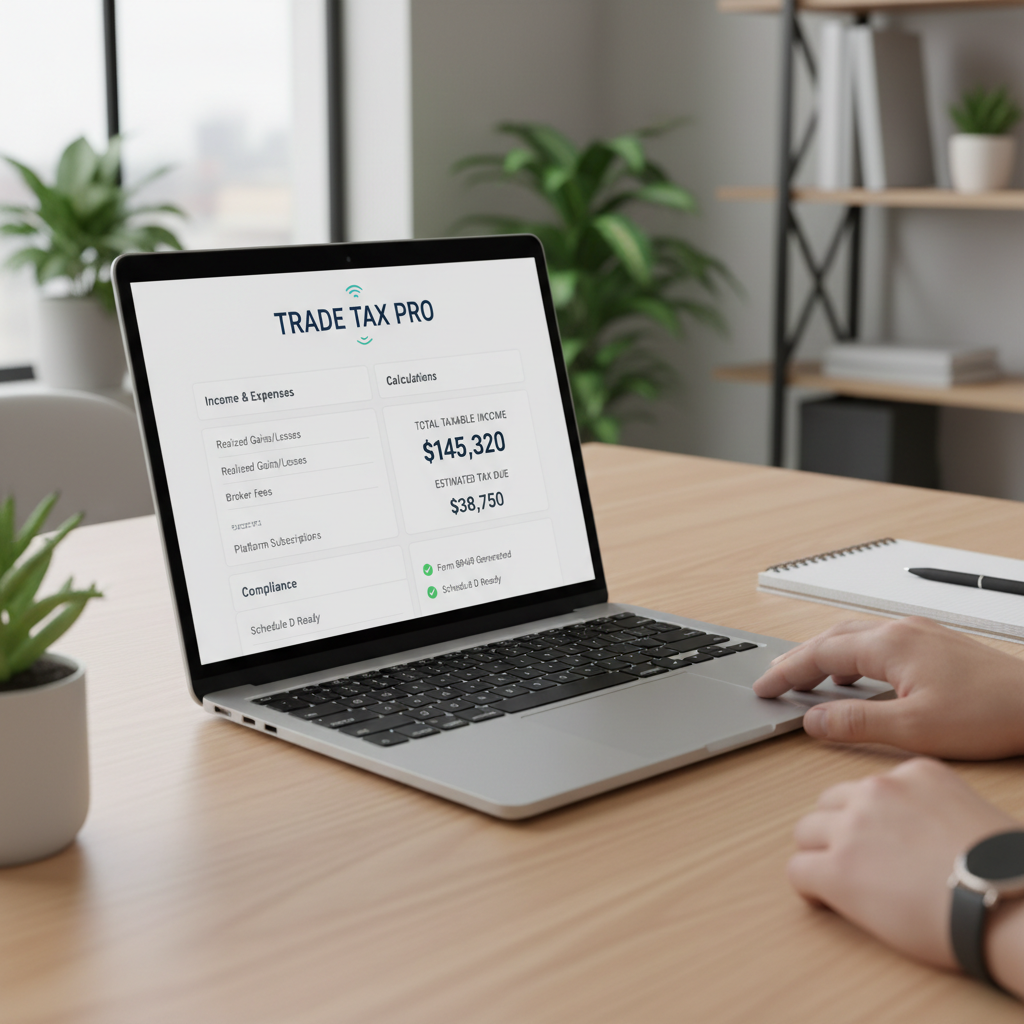
Many small businesses are required to pay estimated taxes quarterly. Ensure you're calculating these payments accurately to avoid penalties. Review your previous year's tax return to estimate current liabilities and adjust your payments accordingly.
Paying estimated taxes on time helps manage cash flow and prevents a large tax bill at the end of the year.
Seek Professional Assistance
Finally, don't hesitate to seek professional assistance if needed. Tax laws can be complex, and a certified public accountant (CPA) or tax advisor can offer guidance tailored to your business's unique situation. They can assist with filing, provide strategic planning advice, and help you stay compliant with all tax regulations.
By following this checklist, small businesses in El Centro can navigate tax season with confidence and ensure they're meeting all necessary obligations efficiently.